
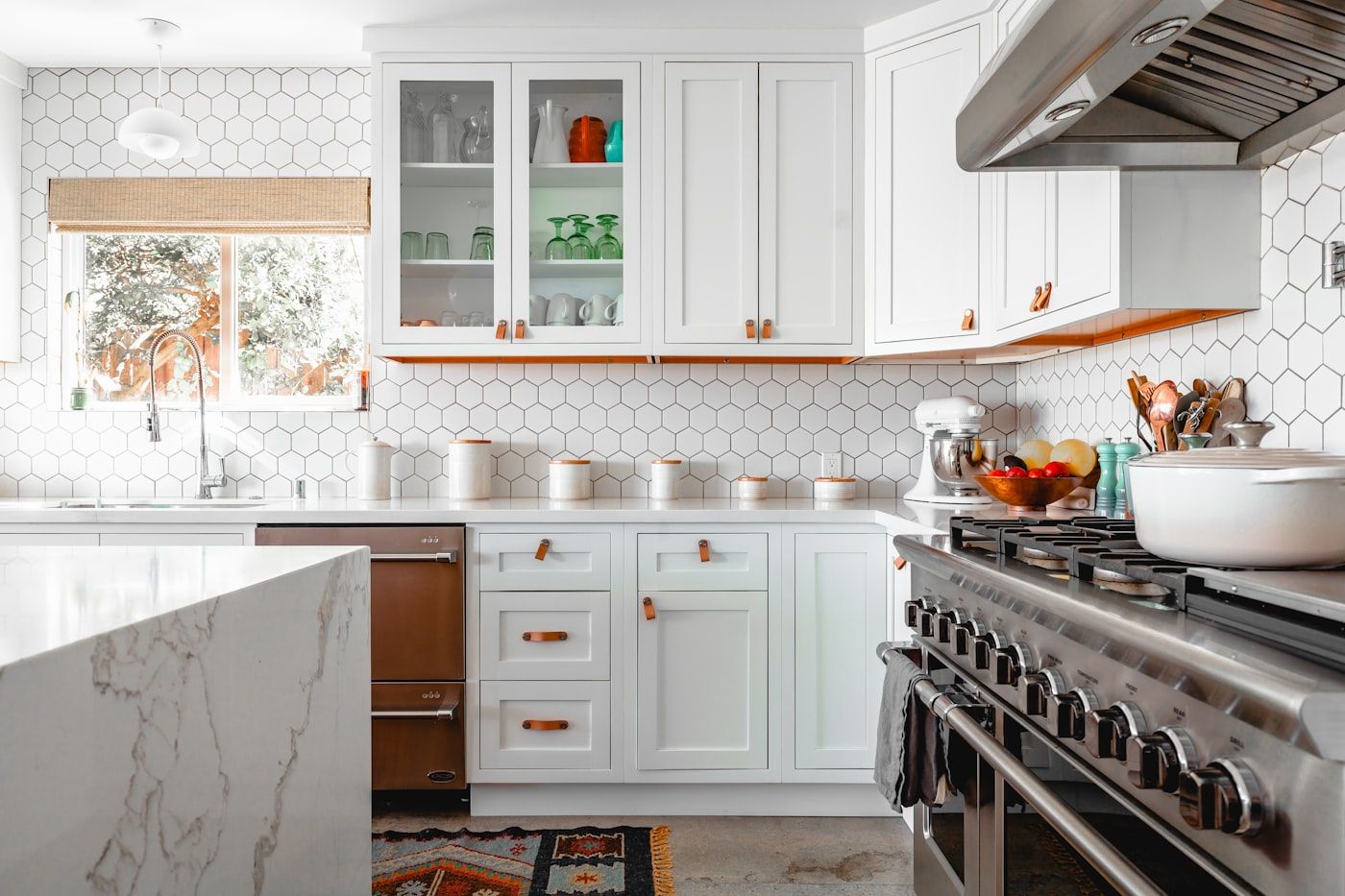
Ask a few homeowners whether to go modular or hire a carpenter for their kitchen, and you will likely get different answers from everyone that are mostly based on outdated assumptions. Carpenter kitchens were once the default simply because modular options were limited and expensive. However, that gap has closed considerably. Today's modular kitchen designs are more precise, more customizable, and often more cost-effective over time than a fully carpenter-built kitchen, though the two still differ in ways worth understanding before you commit.
Here is how they actually compare, factor by factor, rather than relying on whichever your neighbor or contractor happened to recommend.
The Modular Kitchen Designs Comparison That Actually Matters
Here's how the two options stack up across the five factors that decide whether a kitchen holds up after years of usage, not just how it looks on day one.
Upfront Cost vs Long-Term Value
A carpenter-built kitchen can look cheaper on the initial quote, largely because it skips factory processes like edge-banding and moisture-resistant cores. Within a few years, you will see loose joints, warped shutters, and minor repairs begin to show up earlier than you expected. Well-planned modular kitchen designs may be more expensive initially, but they usually offer a better value once you look past the first invoice and consider what a kitchen actually costs over its full lifetime.
Precision, Fit, and Finish
The work of a carpenter depends heavily on the skill and how accurately measurements are taken on site. This shows that there is significant variation from kitchen to kitchen, even if the same carpenter works on it. Modern modular kitchen design uses factory-cut panels and standardized hardware, so drawers align well together, shutters close without gaps, finishes look consistent, and even the edges match up, which is something that is not always achieved by carpentry.
Timeline to Completion
Carpenters can take anywhere from a few weeks to a few months to build a kitchen, depending on their other ongoing projects. Most modular kitchen designs are delivered as units which only require assembly and installation, and in many cases, their installation can be done in a matter of hours as opposed to days, making a big difference when renovating a kitchen.
Hygiene and Durability
Carpenter kitchens with exposed wood edges and site-applied finishes are more susceptible to moisture damage, warping, and pest problems over time, particularly in humid climates or heavy-use kitchens. A luxury modular kitchen offers moisture-resistant boards, sealed edges, and laminates that are factory-applied to resist stains, simplifying everyday cleaning and making the kitchen remarkably durable with years of everyday use.
Customization and Style
Carpenter kitchens were once assumed to be more flexible, but this stereotype has started changing as production catches up with design ambition. Today, modern modular kitchen design is equally as versatile in layout, finishes, storage options, and customization for odd-shaped kitchens and unique cooking styles, while maintaining the fit and consistency that factory-made components offer.

Frequently Asked Questions
Are modular kitchen designs more expensive than carpenter-built kitchens?
A modular kitchen may seem more expensive during the initial quotation. However, when you consider a kitchen's durability, the quality of the finishes, and how long the kitchen lasts without repairs, effective modular kitchen designs prove to be a better value in an approximate 10-year timeframe.
Can a carpenter match the quality of a modern modular kitchen design?
While a skilled carpenter can produce excellent individual pieces, it is more difficult to ensure consistency throughout an entire kitchen. Especially when it comes to dozens of shutters and drawers. Modern modular kitchen design follows consistency in quality and precision, using the same factory standards throughout.
Is a luxury modular kitchen worth it for a small home?
Yes. The reason is that the benefits, precision fit, moisture resistance, and smart storage solutions really matter even for a compact kitchen. Efficient space usage is one area in which a luxury modular kitchen can excel, which is hard to achieve with carpentry.
How long do modular kitchen designs typically last compared to carpenter kitchens?
Well-installed modular kitchen designs, when installed properly, generally perform well for a decade, similar to or better than carpenter-built kitchens, but with less warping, swelling, and hardware failures along the way, particularly in humid climates.
Conclusion
Carpenter kitchens still have a place, particularly for very small budgets or highly unconventional layouts that a carpenter can adapt to on the spot. For most homes, the comparison increasingly favors factory precision over hand-built variability. The best modular kitchen designs now match or exceed carpentry in customization while offering better consistency, hygiene, and durability over the years that follow. Choosing between them ultimately comes down to how much you value long-term reliability over a lower quote today, and for most kitchens used daily, that reliability tends to matter far more than it first appears.
Ready to plan your kitchen?
Get one step closer to your dream kitchen. Book a free design consultation with SpazioLiv and see how a well-planned modular kitchen could work in your home.
Book A Free Consultation