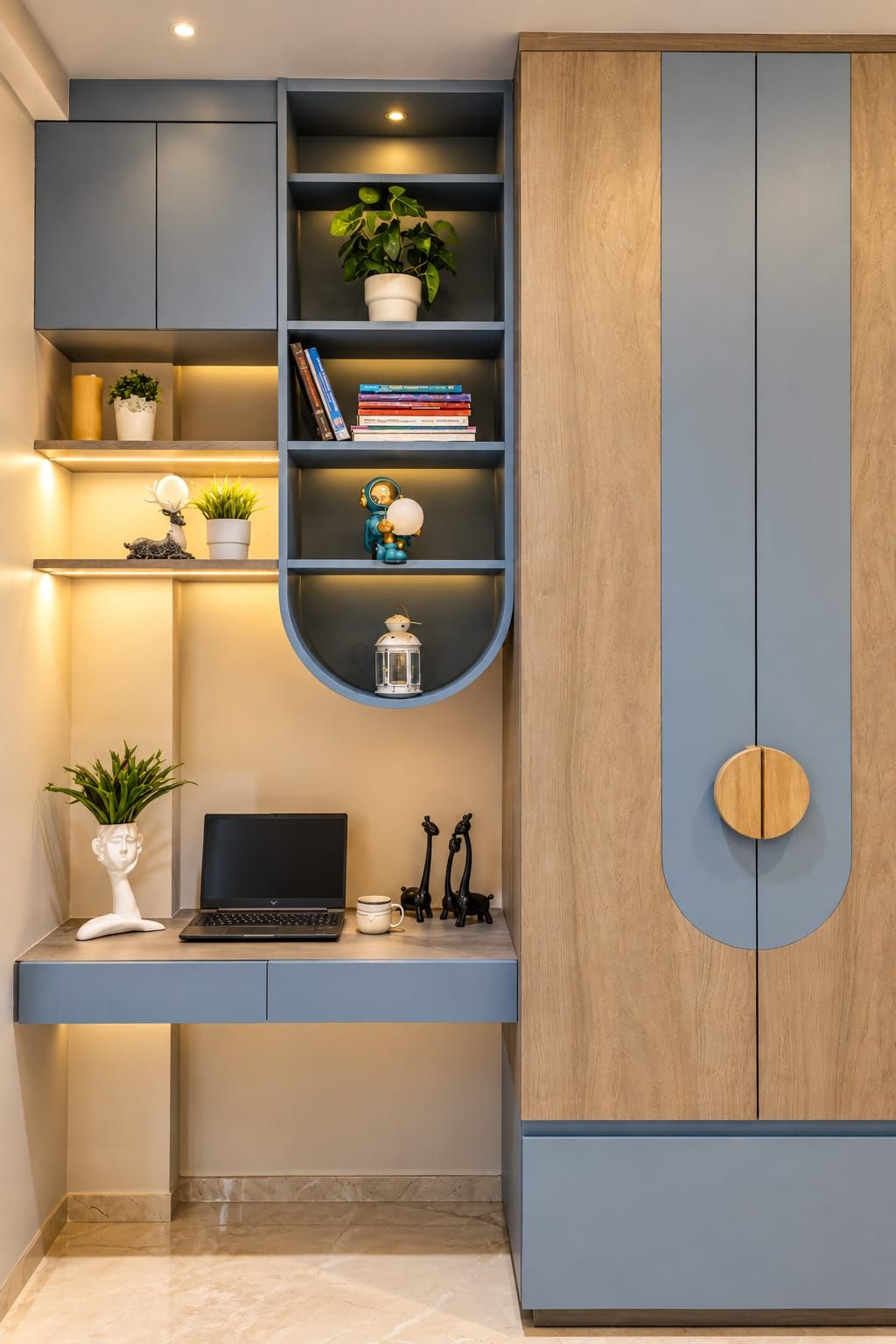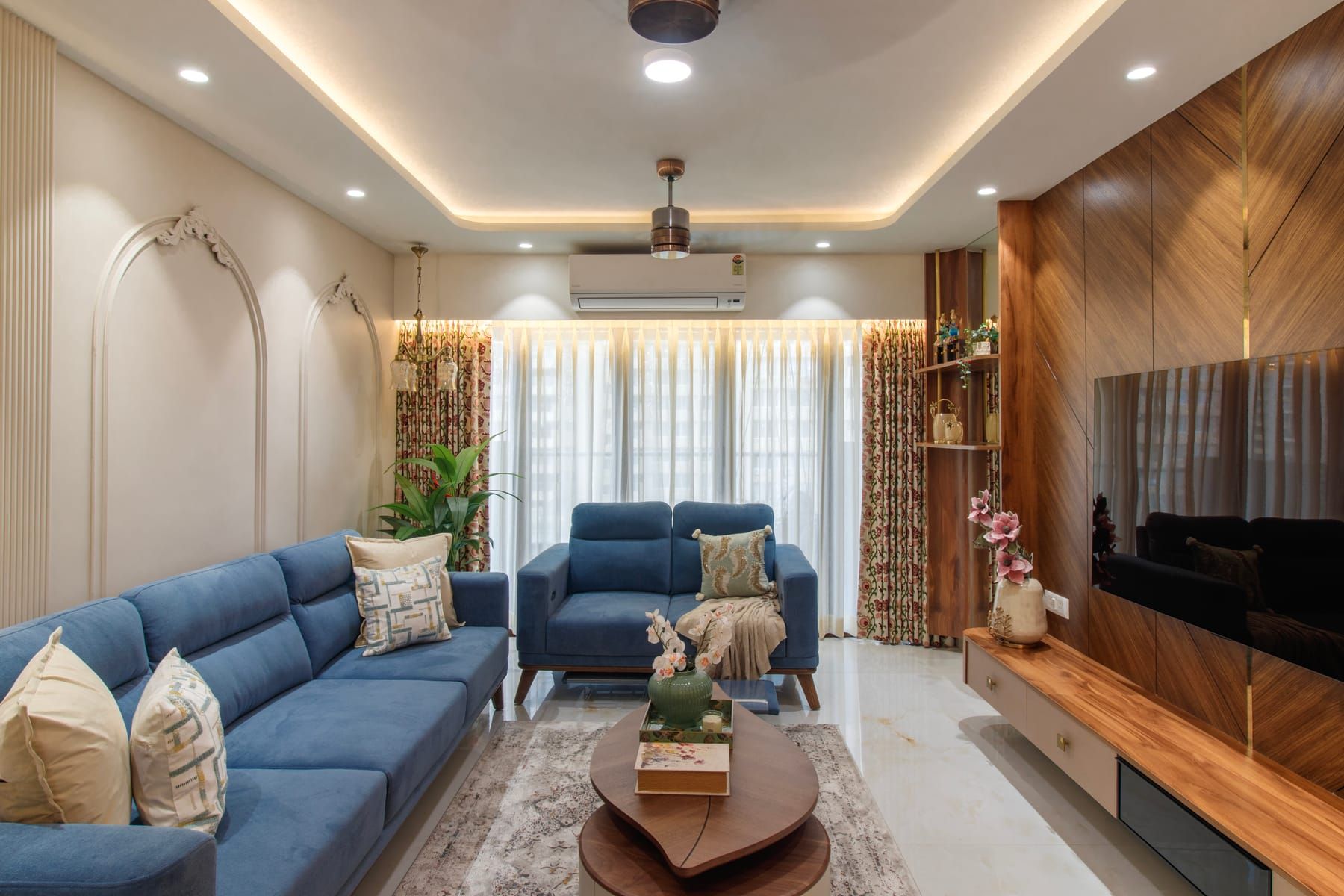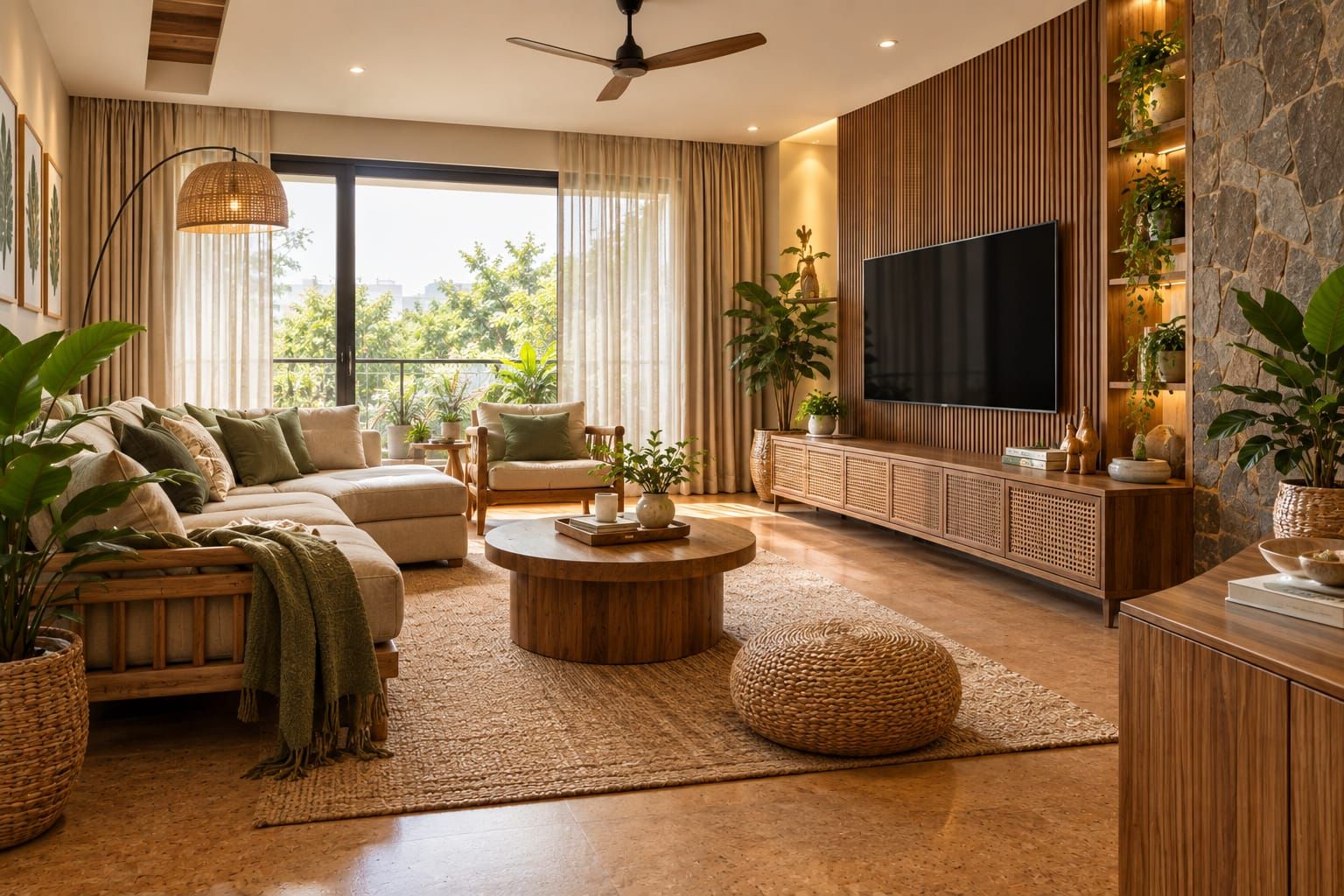

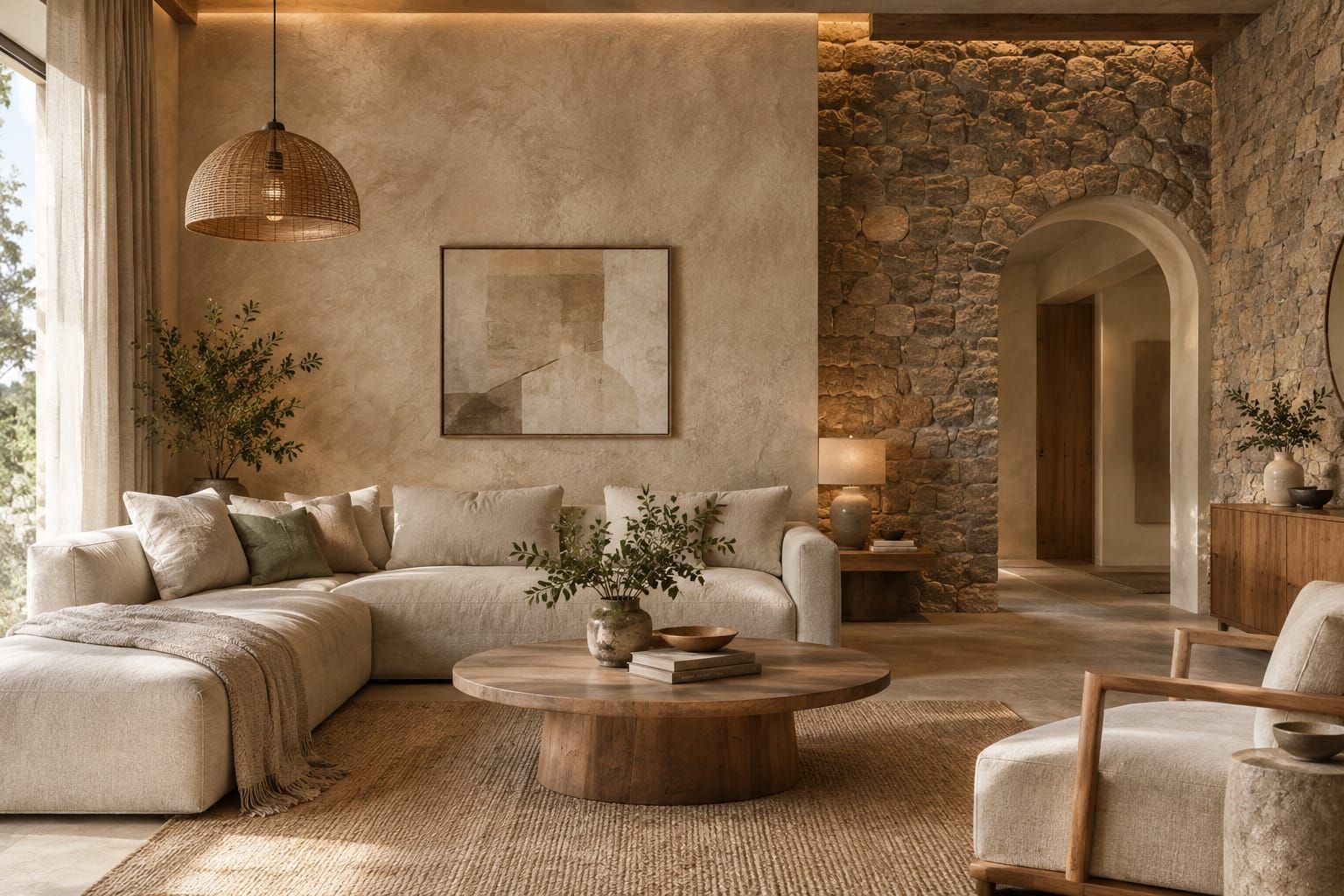
For a while, interiors were all about smooth surfaces, clean lines, and polished finishes. Perfect walls, glossy details, and furniture without a visible mark or variation became common. But that preference is beginning to change. More people are drawn to surfaces with depth and character; materials that catch the light differently throughout the day or have a texture you can actually feel.
This has brought limewash walls, linen, stone, and other natural finishes back into focus. What makes them beautiful is not their perfection, but their subtle variations. The unevenness, texture, and small differences are exactly what give them character.
Why Texture Is Finding Its Way Back Into Modern Homes
Texture gives a room the character that flat surfaces often cannot. It adds an element of interest to an empty space without placing any additional furniture, colors, or decoration. The reasons textured walls are gaining popularity in both casual family homes and in more sophisticated interior spaces is this idea.
The same is true for fabrics and other natural surfaces. Fabrics fall into soft folds, while stone carries its own veins, textures, and irregular edges. These small details add depth to a room, making it feel warmer, cosier, and more inviting.
Limewash Walls Bring Movement to Simple Spaces
The beauty of limewash is difficult to appreciate from a tiny paint sample. Once it covers a larger part of the wall, its tonal changes become much more noticeable.
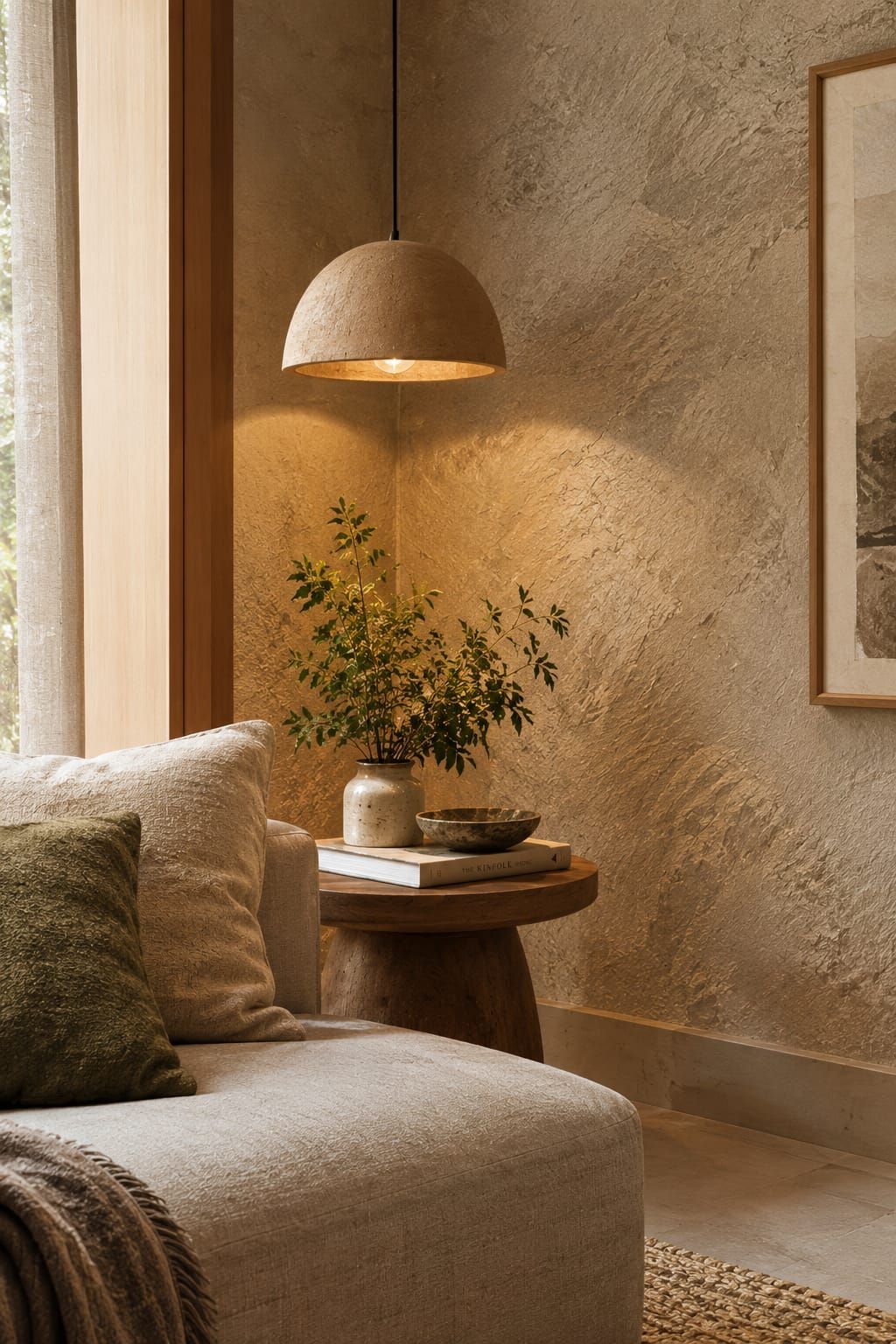
Unlike a completely flat coat of conventional paint, limewash develops soft variations across the surface. Morning light can highlight subtle textures and details that become less noticeable as the light changes throughout the day. This makes limewash walls particularly effective in rooms where the color palette itself is fairly restrained.
Warm whites, chalky beige, muted clay, pale grey, and earthy green all work well with this finish.
For homeowners considering wall texture design, limewash can be an easier way. It introduces depth without adding panels, wallpaper, or elaborate architectural features.
Lime Plaster Takes Texture a Step Further
Where limewash adds visual movement, lime plaster can create more physical depth. Depending on how it is applied, the finish may be soft and cloudy or noticeably textured. It works well across larger walls, fireplace surrounds, entryways, and smaller feature areas.
A plaster wall finish also pairs easily with wood, stone, linen, and aged metal. Rather than competing with these materials, its slightly imperfect surface gives them a natural look.
The result feels especially at home in earthy interiors and spaces that avoid highly polished finishes.
Linen Makes Soft Furnishings Feel More Relaxed
Texture can extend beyond walls and into the fabrics used throughout a room. Linen, for example, has a naturally relaxed texture that adds softness without making the space feel overly formal.
Linen is particularly useful when a room contains harder materials such as stone or metal. The contrast prevents those surfaces from making the space feel cold. Its understated appearance also explains why linen appears so frequently in Scandinavian interiors. It adds interest without relying on pattern or bright color.
Natural Stone Adds Texture That Cannot Be Replicated
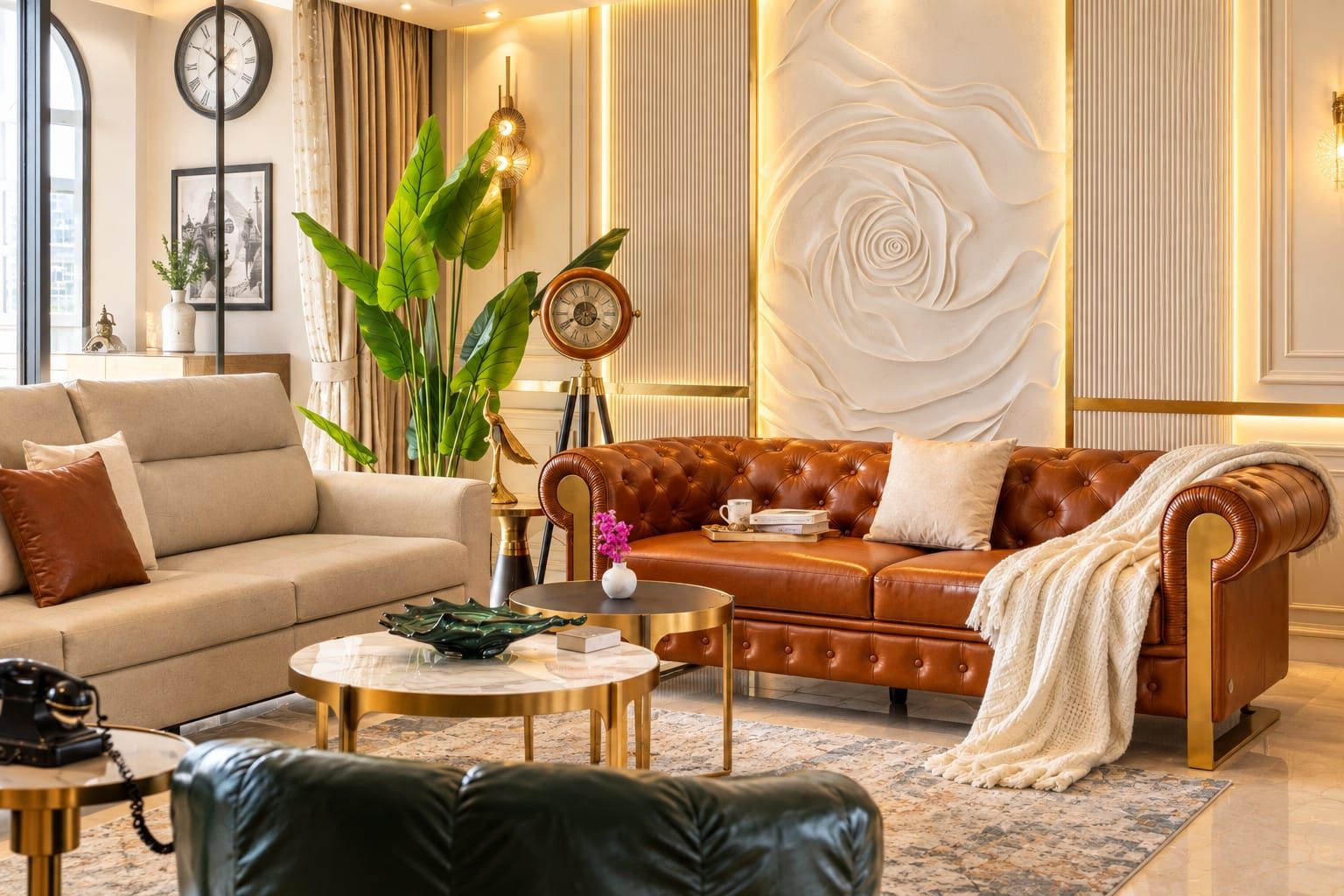
No two pieces of natural stone are exactly the same. Each has its own veining, tone, grain, and surface variations, giving the material its unique character and appeal. A natural stone wall can become a strong architectural feature, but stone doesn’t always have to dominate a room.
Honed or textured finishes tend to have a softer, more natural appearance than highly polished stone. A thoughtful stone wall design can therefore feel rustic, contemporary, or luxurious depending on what surrounds it.
Combining Limewash, Linen, and Stone
Limewash, linen, and stone work particularly well together. They create a different type of texture. Limewash provides visual softness. Linen adds movement and comfort. Stone introduces weight and permanence.
Imagine a living room with warm wall texture paint, loose linen curtains, a stone fireplace, and a simple wooden coffee table. Nothing needs to be heavily decorated because the materials themselves create enough interest.
This approach works well for modern rustic interiors, but it can be adapted to contemporary homes too. Cleaner furniture and simpler styling can keep natural materials from feeling traditional.
Frequently Asked Questions
How is limewash different from a regular textured paint?
The key difference between limewash and regular paint is that the former is natural, mineral-based, while the latter uses acrylic or latex binders with physical additives.
What is stone cladding and how is it different from a full stone wall design?
Applying a thin, decorative layer of natural or manufactured stone on a wall is referred to as stone cladding. Typically, cladding is non-load-bearing and uses light, thin stone pieces, while a full stone wall is load-bearing and involves heavy blocks.
Do linen fabric and lime texture work well together?
Yes, linen fabrics suit rooms with limewash walls a lot. This is because both have a matte, organic, and tactile quality that adds a unique character to your room. Both also diffuse light gently, adding depth to your room.
Can an interior designer help me choose the right wall texture for my interiors?
Yes, an interior designer can help you choose the right wall texture. They understand different materials and finishes very well, and can help you select one that best aligns with your vision.
Final Thoughts
The growing interest in tactile interiors is about more than simply following another passing design trend. It reflects a preference for homes that feel less manufactured and a little more personal. Textured paint, limewash, linen, stone, timber, and plaster all change subtly with light, age, and everyday use. That natural variation is what gives each piece its character.
Bring warmth and texture into your home
Discover thoughtfully designed pieces at SpazioLiv and bring warmth, texture, and natural character into your everyday spaces.
Book Your Free Consultation