
A beautifully furnished room can still feel like it’s missing something. Often, the problem isn’t the furniture or decor, but the lighting. A single overhead fixture simply can’t create the depth and atmosphere a well-designed space needs. Good layered lighting combines different light sources, allowing a room to feel bright and practical during the day, then softer and more relaxed in the evening.
The simplest way to do this involves three levels: ambient, task, and accent. Each layer serves a distinct purpose, working together to create a room that feels balanced, functional, and inviting.
Why Layered Lighting Works Better?
The most important benefit of layered lighting is its versatility. Rather than using one bright light for the entire room, you can control different parts of the room depending upon what you are doing.
For instance, a living room may require ample amount of daylight during the day, a laser focus when reading later in the night, as well as a softer touch when visitors arrive. Taking these requirements into account beforehand ensures that the room feels calm. Layered lighting also creates a sense of depth, offering multiple layers of light.
Layer One: Ambient Lighting
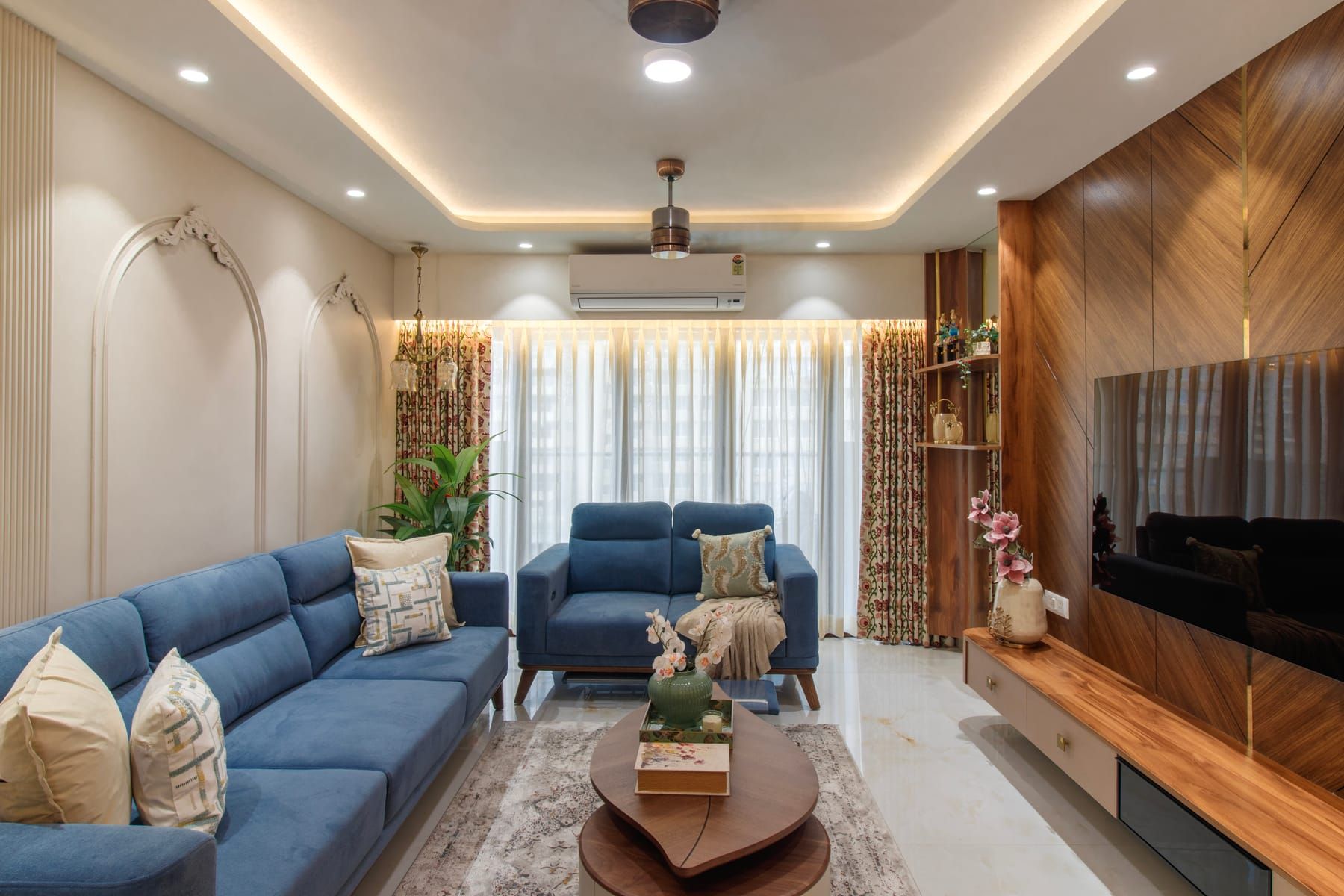
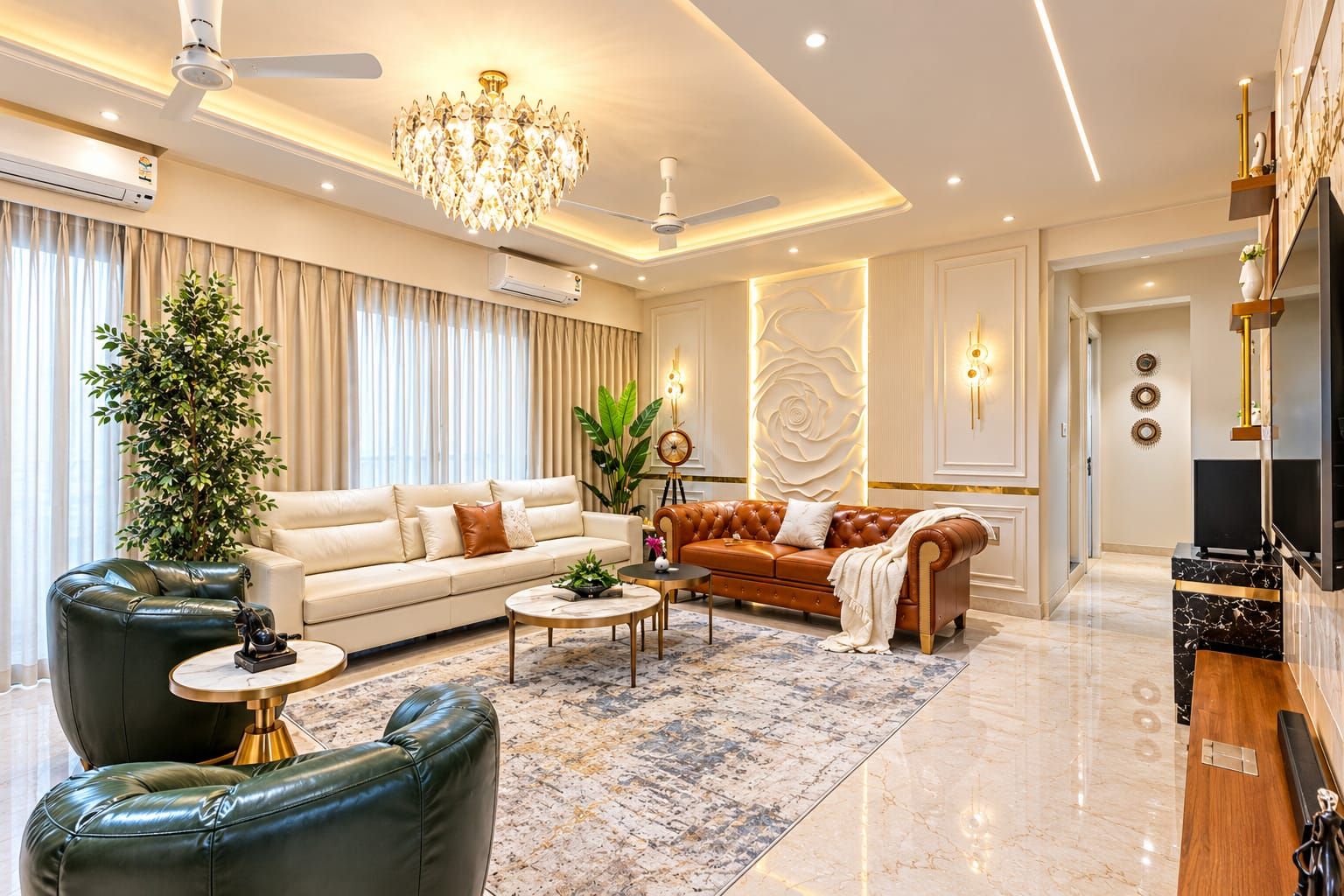
Ambient lighting is the general light that fills a room. It makes it easy to move around safely and gives the space an overall level of brightness. Common sources include ceiling lights, chandeliers, recessed lighting, flush mounts, and sometimes cove lighting.
The goal is not to make every corner equally bright. Instead, ambient light should provide a comfortable base for the rest of the interior lighting. In larger rooms, several fixtures often work better than one strong central light. This creates more even lighting while softening harsh shadows.
Choosing Ambient Light for Different Rooms
The amount of ambient light needed depends on how a room is used. Kitchens and bathrooms usually need brighter lighting, while bedrooms and living areas prefer soft lighting. For living area lighting, it is particularly advantageous to have dimmable lighting fixtures in the ceiling. This makes it easy to adjust the lighting from day to evening. Warm or neutral LED lights also work well for creating a comfortable atmosphere in larger rooms
Layer Two: Task Lighting
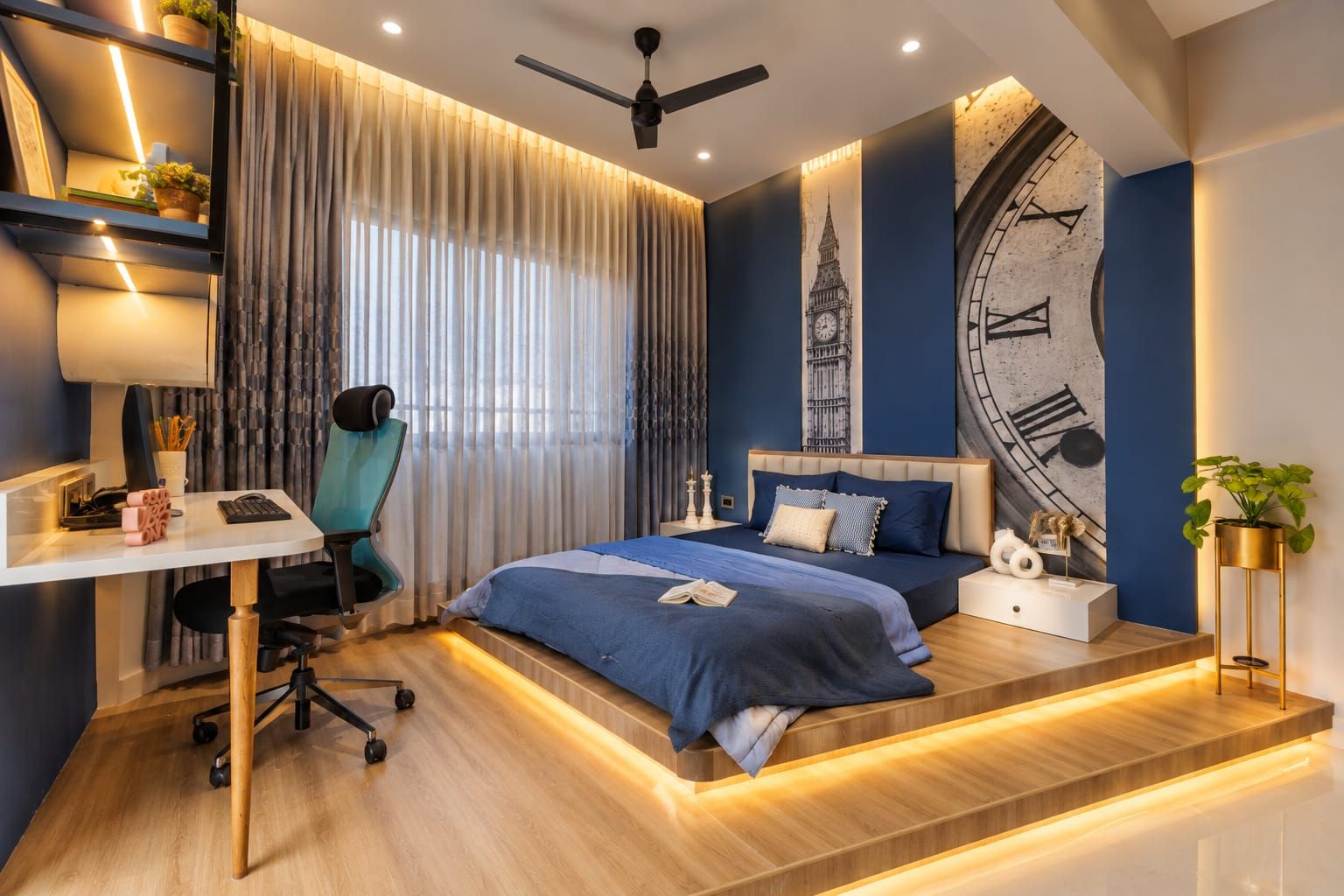
Task lighting focuses light exactly where it is needed. It is utilized while reading, cooking, putting on makeup, or preparing meals. Desk lamps, bedside lamps, under-cabinet lighting, vanity lighting, and pendant lights over kitchen countertops are common examples. The important thing is proper positioning. Task lighting should provide enough light for the activity without creating glare or unwanted shadows.
Why Task Lighting Matters
Good task lighting can make everyday routines easier without increasing the brightness everywhere else. In a kitchen, under-cabinet lighting can make chopping and food preparation more comfortable. In a bedroom, bedside lamps allow one person to read without relying on a strong ceiling fixture. This is one of the most practical home lighting ideas because it allows each part of a room to respond to a specific need.
Layer Three: Accent Lighting
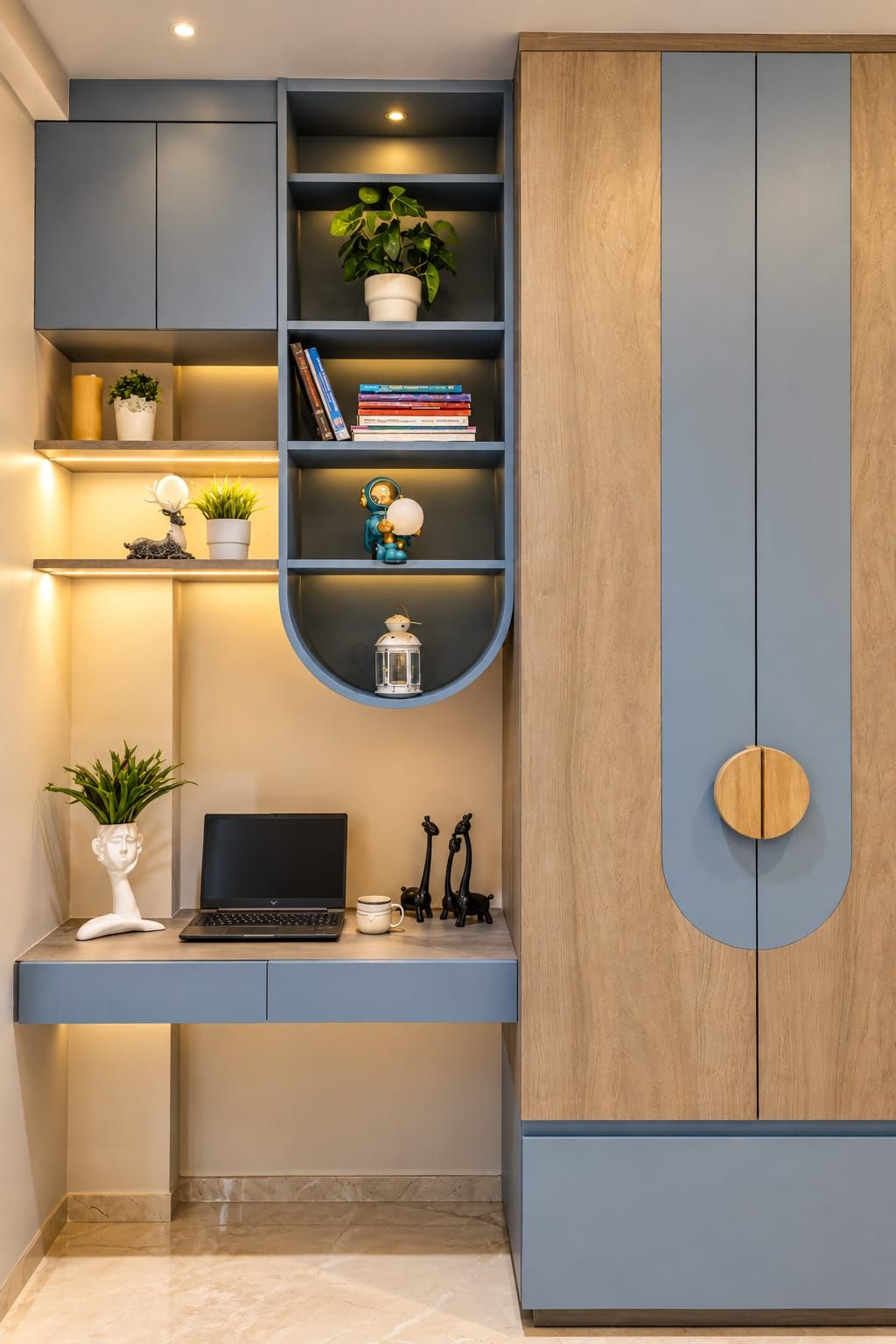
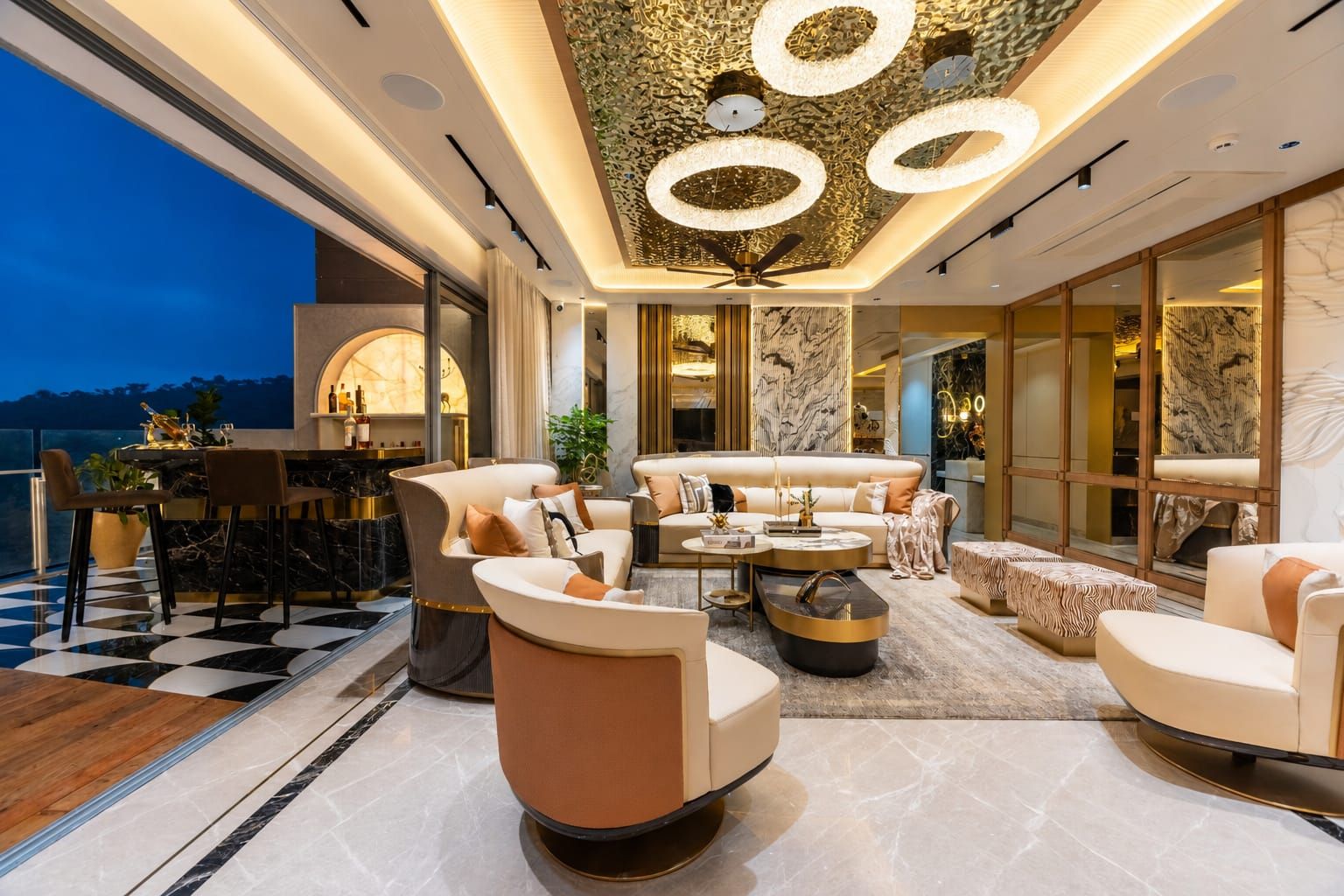
Accent lighting is less about function and more about emphasis. It can be used to highlight artwork, shelving, textured walls, architectural details, sculptures, or even plants. Spotlights, picture lights, wall washers, and small directional fixtures work particularly well for this purpose.
Accent lighting is most effective when it draws attention without overpowering the rest of the room. The light should be noticeable enough to highlight a feature, but not so bright that it becomes distracting. When used thoughtfully, it can give even a simple wall or decorative object more depth and character.
Why Accent Lighting Matters
Accent lighting can be used to highlight certain details and give depth and character to a room. It can accentuate artwork, textured walls, shelves, plants or architectural features that may otherwise go unnoticed. It also creates depth and interest in a room, as it helps to break up any monotony in the lighting.
Frequently Asked Questions
What are the three layers of lighting in interior design?
The three layers are ambient lighting, task lighting and accent lighting. Ambient lighting offers overall illumination; task lighting provides focused light for specific activities, such as reading, cooking, or working. Accent lighting enhances artwork, texture, or architectural features. When all three are used together, they create a balanced plan.
How do you layer lighting in a living room?
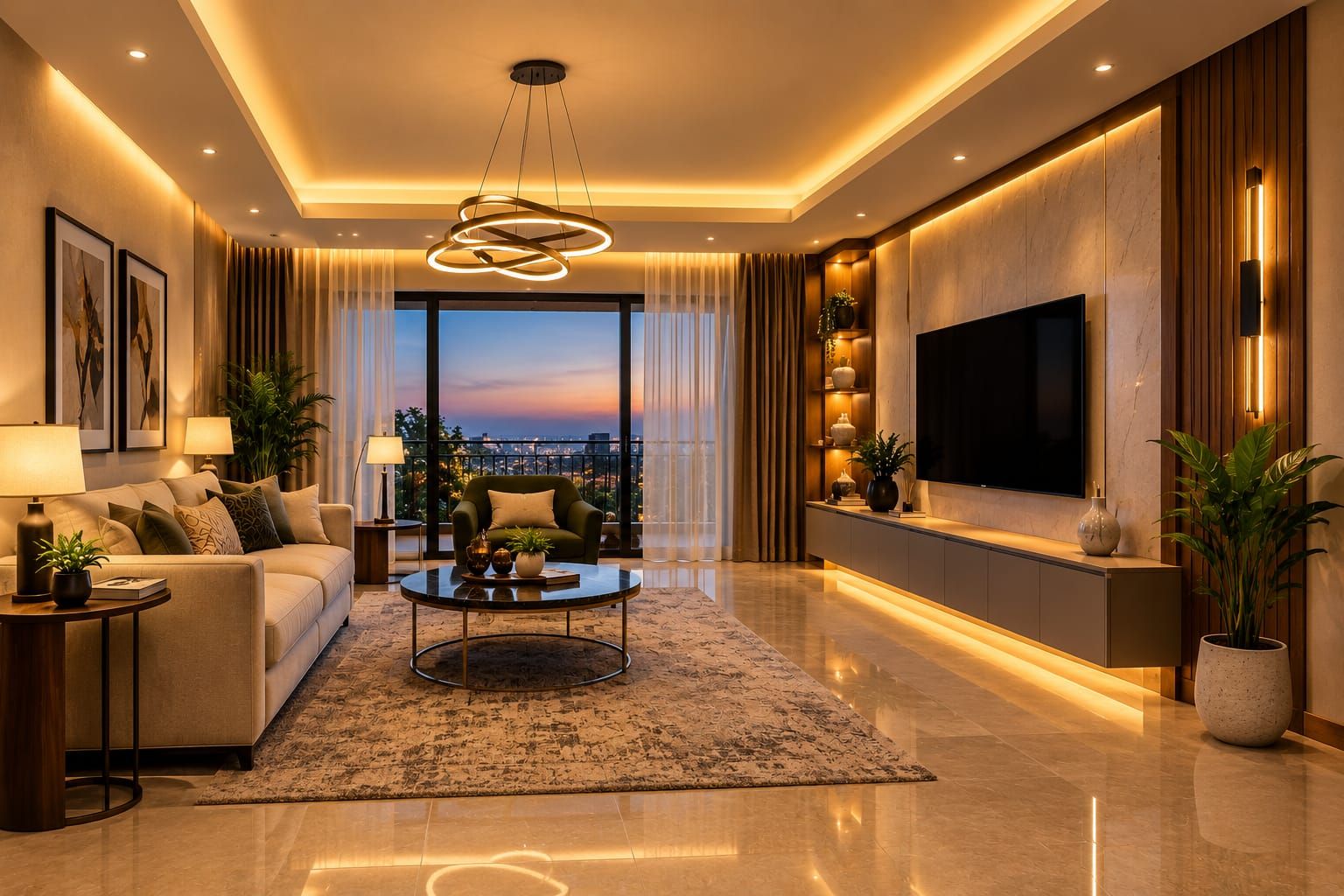
Begin with ceiling lights or recessed lighting for general brightness. Add floor or table lamps for task lighting next to sofas and reading spots. Lastly, use wall lights or directional units to highlight artwork. Dimmers can help adjust the lighting level throughout the day.
Can layered lighting make a small room look bigger?
Yes. Layered lighting can make a small room feel more open by reducing dark corners and spreading light across different areas. Wall lights, recessed lighting, and carefully placed lamps can add depth without taking up much space. Accent lighting can also draw attention upward or toward key features.
What is the best lighting temperature for a comfortable home?
Warm white lighting, usually around 2700K–3000K, works well in bedrooms, living rooms, and other relaxing spaces. Neutral white is around 3000K–4000K, and it can be used in kitchens, bathrooms, and workspaces where more illumination is required.
Final Thoughts
A balanced room does not need dozens of fixtures. It simply needs different types of light doing different jobs. Start with ambient lighting for overall visibility, followed by task lighting wherever practical tasks are performed, and finally accent lighting to give character and depth. When all three layers work together, the space becomes more practical, comfortable, and visually balanced. That is the main idea behind layered lighting.
Ready to light every room properly?
Explore SpazioLiv for thoughtfully designed lighting and interior pieces that bring warmth, function, and character into every room.
Book Your Free Consultation